
elitarot2strikingly.com
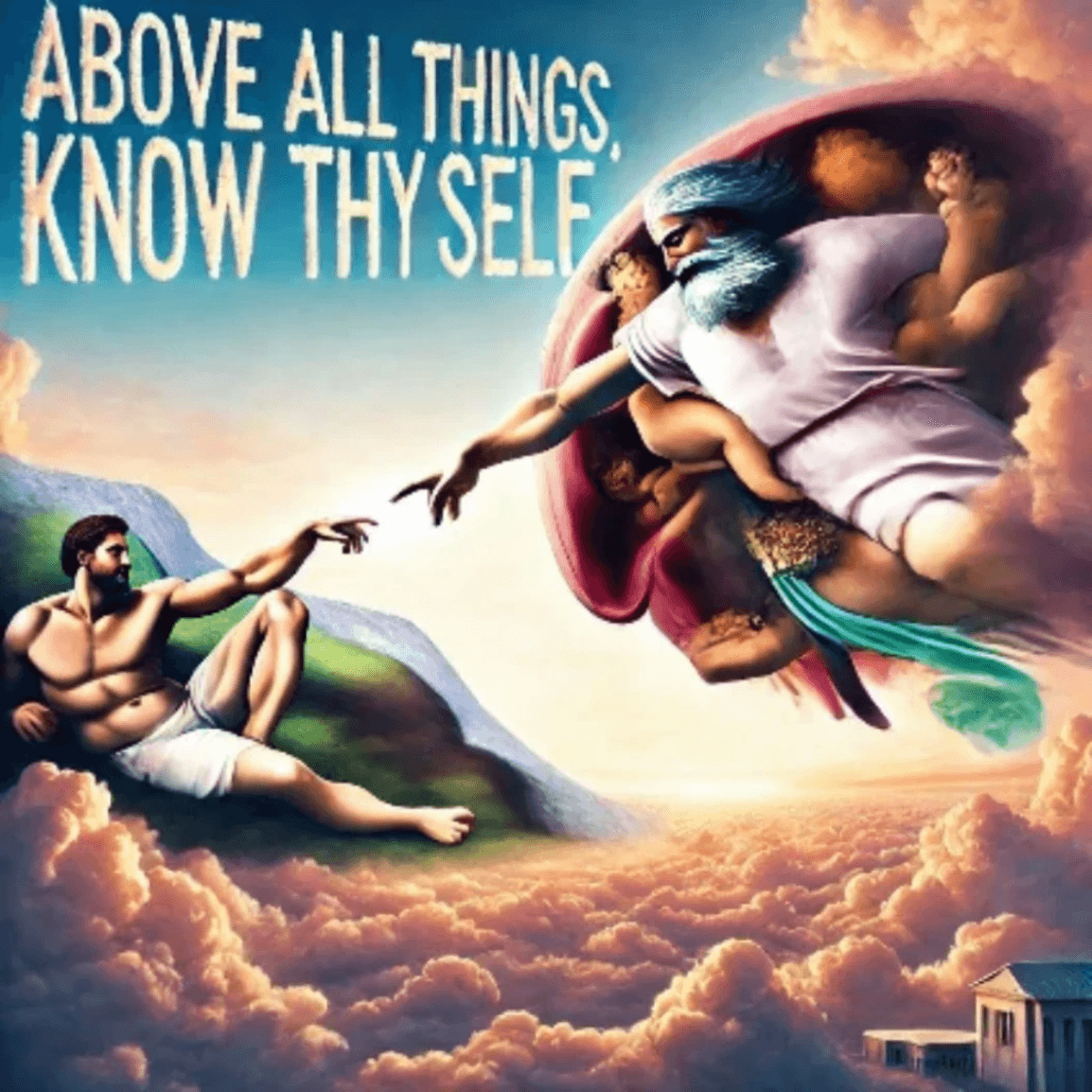
Above all things, know thyself!
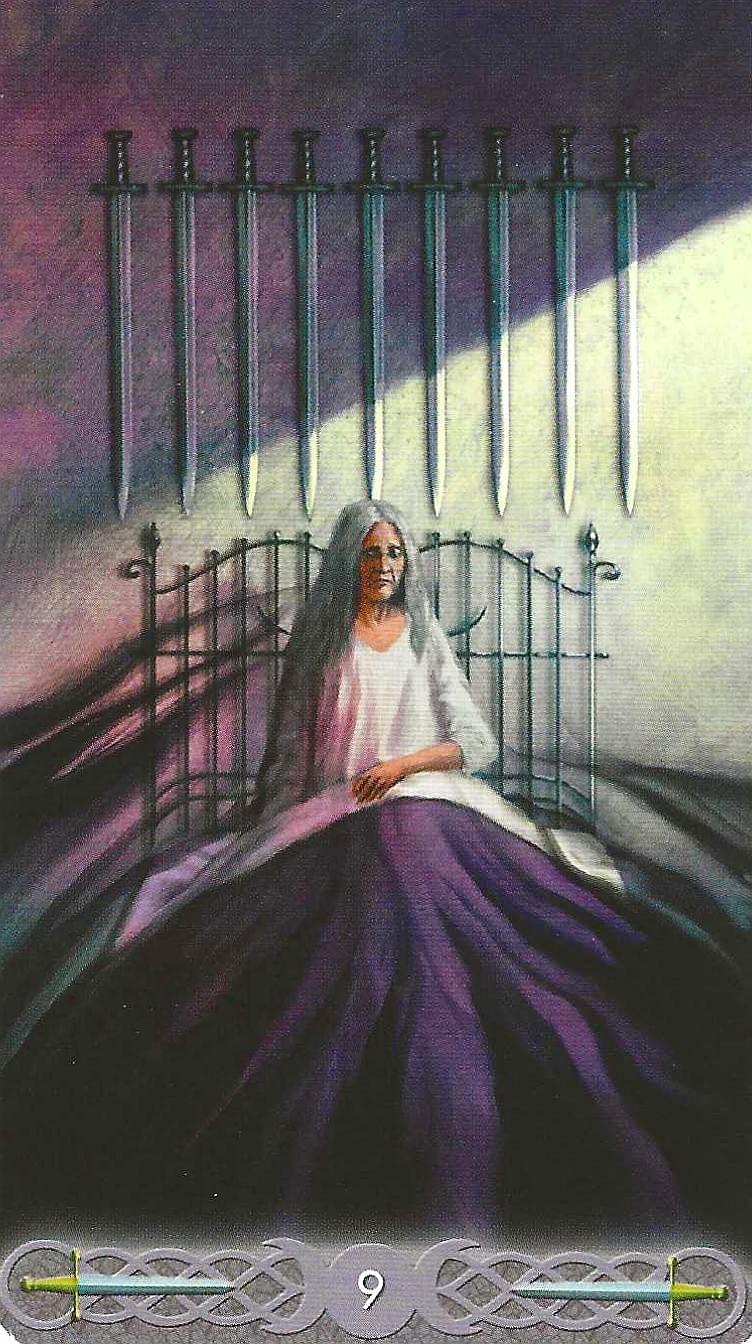
Triple Goddess Tarot- 9 of Swords.
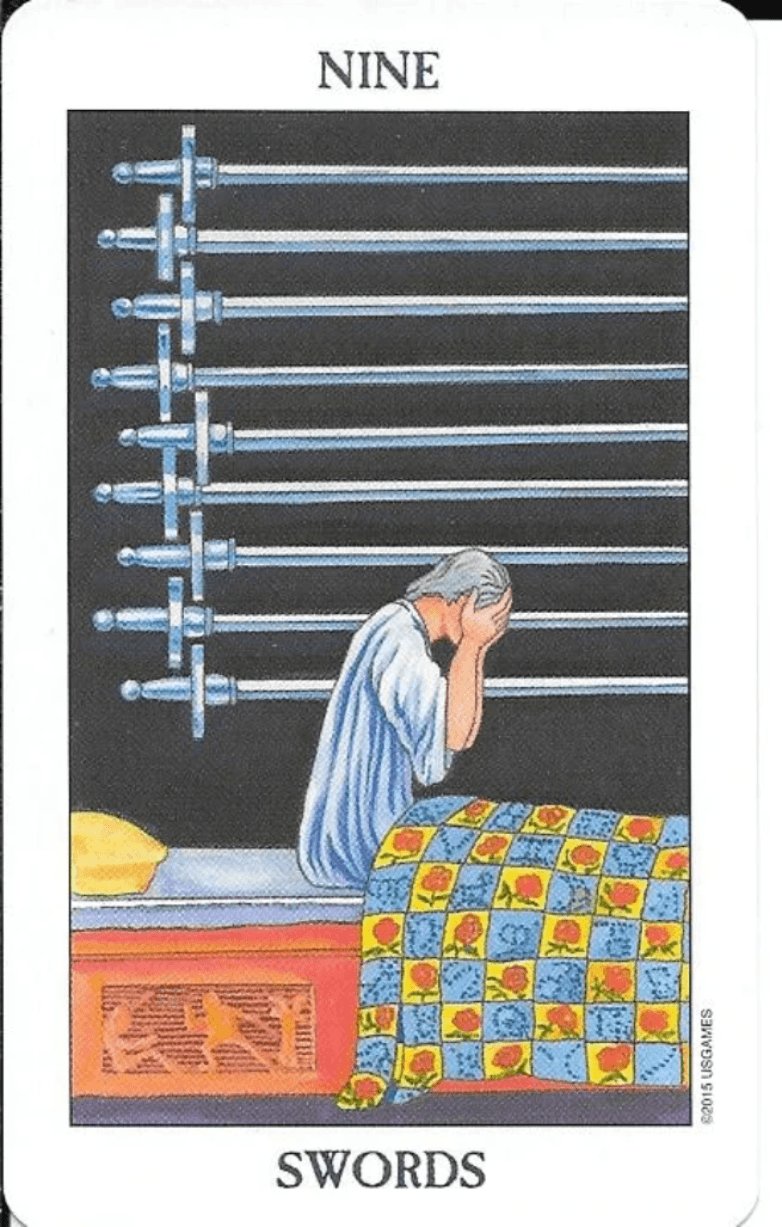
Radiant: Rider-Waite-Smith Tarot-Nine of Swords
Both the Rider–Waite–Smith Tarot and the Triple Goddess Tarot Nine of Swords emphasize the familiar meanings of despair, illness, cruelty, anxiety, and insomnia—as if awakening from a disturbing dream. The figure sits upright in bed, tormented by thoughts produced in the hidden chambers of the psyche.
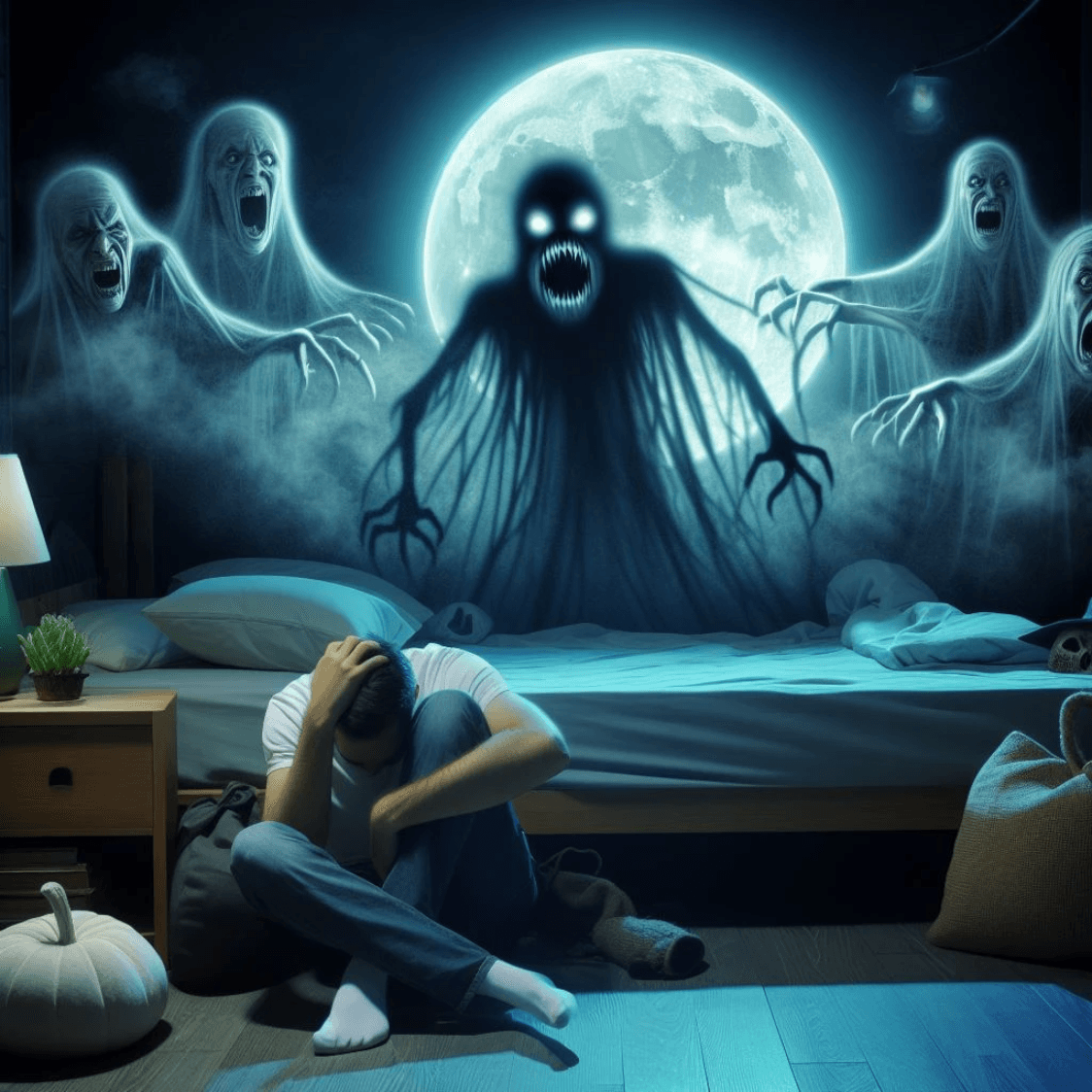
In Western Hermetic understanding, these disturbances arise from the subconscious mind, the interior realm connected to the Akashic or Astral Light—the subtle mental fluid of the Collective Unconscious. It is within this interior field that images, dreams, and thought-forms take shape before manifesting outwardly.
Sleep temporarily quiets the waking consciousness and opens the gate to this deeper psychic realm. In dreams, the psyche reorganizes experience, revealing errors in thought and unresolved emotional patterns. When examined consciously—such as through the practice of keeping a dream journal—these symbolic messages can help correct faulty mental patterns and restore balance to the mind.

However, this subconscious realm is also susceptible to conditioning and suggestion. The Russian physiologist Ivan Pavlov demonstrated how behavior can be shaped through association and repetition, a process known as classical conditioning.
In his famous experiment:
Unconditioned Stimulus (UCS): Food naturally causes salivation.
Unconditioned Response (UCR): The dog's automatic salivation to food.
Conditioned Stimulus (CS): A bell repeatedly paired with the food.
Conditioned Response (CR): Eventually the dog salivates to the bell alone.
This simple experiment illustrates a profound truth: repeated association can program behavior. Human thought patterns can likewise become conditioned by fear, authority, or social pressure.
In occult philosophy, such collective conditioning generates what is called an egregore—a psychic thought-form sustained by the beliefs, emotions, and attention of a group. Nations, religions, corporations, and ideologies can all function as egregores. Over time, these collective thought-forms influence the behavior and perceptions of the individuals who participate in them.
Thus, many fears represented by the Nine of Swords are not purely personal; they often arise from cultural conditioning and inherited belief structures. The mind becomes trapped in imagined threats, shame, or guilt that have been reinforced through repetition and social expectation.
Hermetic philosophy teaches that liberation begins with the ancient axiom:
“Above all things, know thyself.”
To know oneself is to recognize the difference between the automatic reactions of conditioned thought and the creative authority of the Soul.

In Qabalistic symbolism, the Nine of Swords corresponds to the sphere of Yesod, the lunar foundation of the Tree of Life. Yesod governs dreams, imagination, and the Astral Light—the subtle field where thought-forms originate before manifesting in the physical world. The nineteenth-century investigator Baron von Reichenbach referred to this subtle energy as Odic Force, a concept closely related to what occultists call the Astral Light or Akashic fluid.
Within this subtle field, thought combined with emotion becomes formative power. Western Hermetic magick is essentially the disciplined ability to shape this astral substance through focused will, intention, and meditation. The images we repeatedly hold in mind gradually crystallize into the circumstances of our lives.
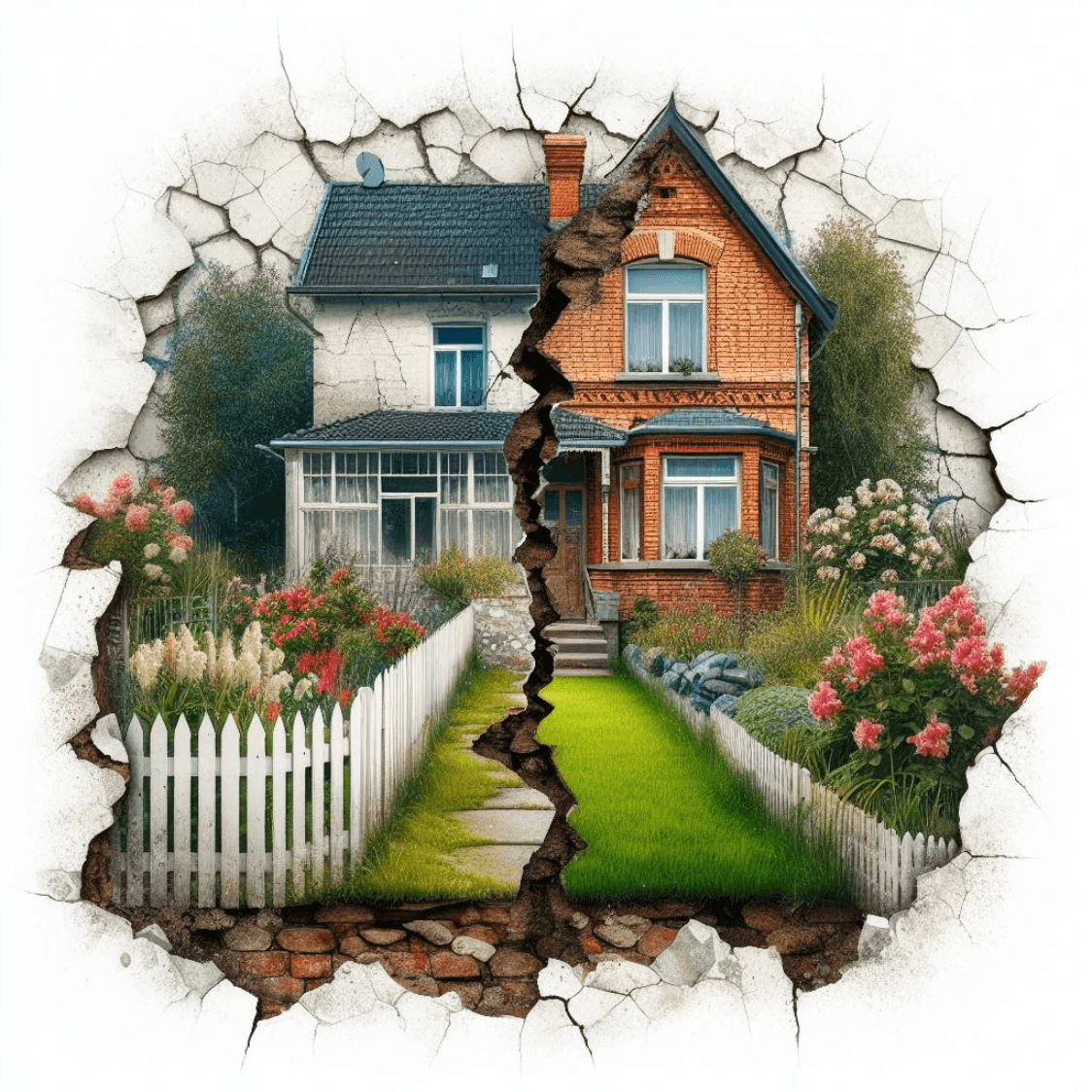
For this reason, the Nine of Swords often represents being divided against oneself. The mind generates fearful narratives that imprison the will. When the imagination is filled with anxiety, despair becomes self-fulfilling.
Yet the Hermetic tradition also reminds us that we are more than these passing thoughts. The Greek root of the word Spirit—spiro—means “breath.” Breath is the living force animating the body. Spirit is therefore the life within the form, the conscious energy that experiences existence through the body.
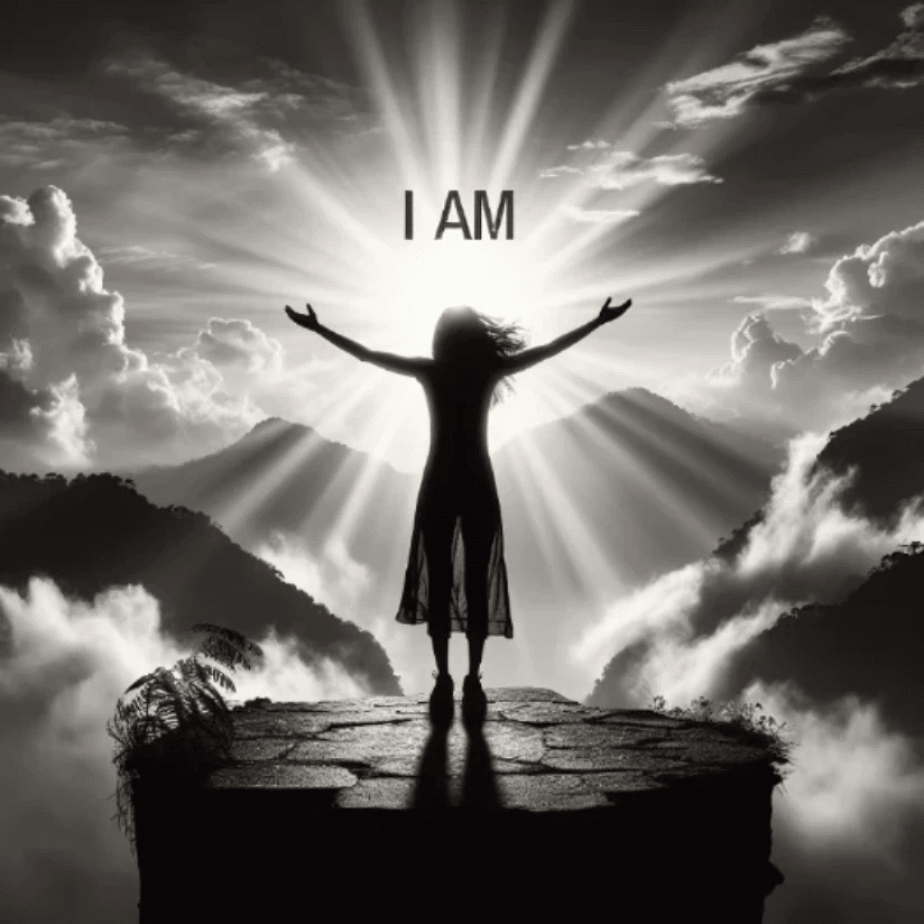
From this perspective the physical personality—the “me”—is a temporary expression of the deeper I AM, the spiritual consciousness observing and directing experience. The Soul dreams the personality into existence as its instrument within the world of form.

Hindu mythology expresses this idea beautifully in the symbolism of Vishnu. In his cosmic sleep, Vishnu rests upon the serpent Ananta in the infinite ocean, dreaming the universe into existence. Yet within that dream he also manifests as avatars—such as Rama or Krishna—who act within the world to restore harmony and balance.
Likewise, the human being exists in two modes simultaneously:
the transcendent dreamer (Soul) and the active participant (personality) within the dream of life.
The Nine of Swords therefore asks an important question:
Who is directing your thoughts—the conditioned mind, or the conscious Self?
When fear and self-criticism dominate the imagination, the psyche becomes its own enemy. The mind lashes itself with imagined cruelty and rejection. What begins as a passing doubt can become a prolonged inner torment.
Yet these mental patterns can be rewritten. Just as conditioning can install destructive thought loops, conscious repetition and discipline can replace them with empowering ones. Many practitioners use short corrective affirmations or meditative phrases to interrupt negative mental cycles and restore clarity.
Hermetic philosophy teaches that thought is creative, but awareness precedes thought. You are not the thoughts themselves—you are the consciousness observing them. From that awareness comes the power to reshape the inner narrative.
Thus the Nine of Swords ultimately carries a liberating message:
You are not imprisoned by the mind unless you surrender your authority over it.

Fear dissolves when the will awakens. When the mind and soul act together rather than against each other, inner conflict subsides and peaceful sleep returns.
The card reminds us that doubt is often only a moment of hesitation extended by imagination. The Soul—curious, persistent, and evolutionary—continues forward regardless.
Therefore the Hermetic teaching remains clear:
Above all things, know thyself.
When you reclaim authority over your own thoughts, the nightmares of the mind lose their power, and the creative spirit of the Soul can once again shape life according to its true purpose.
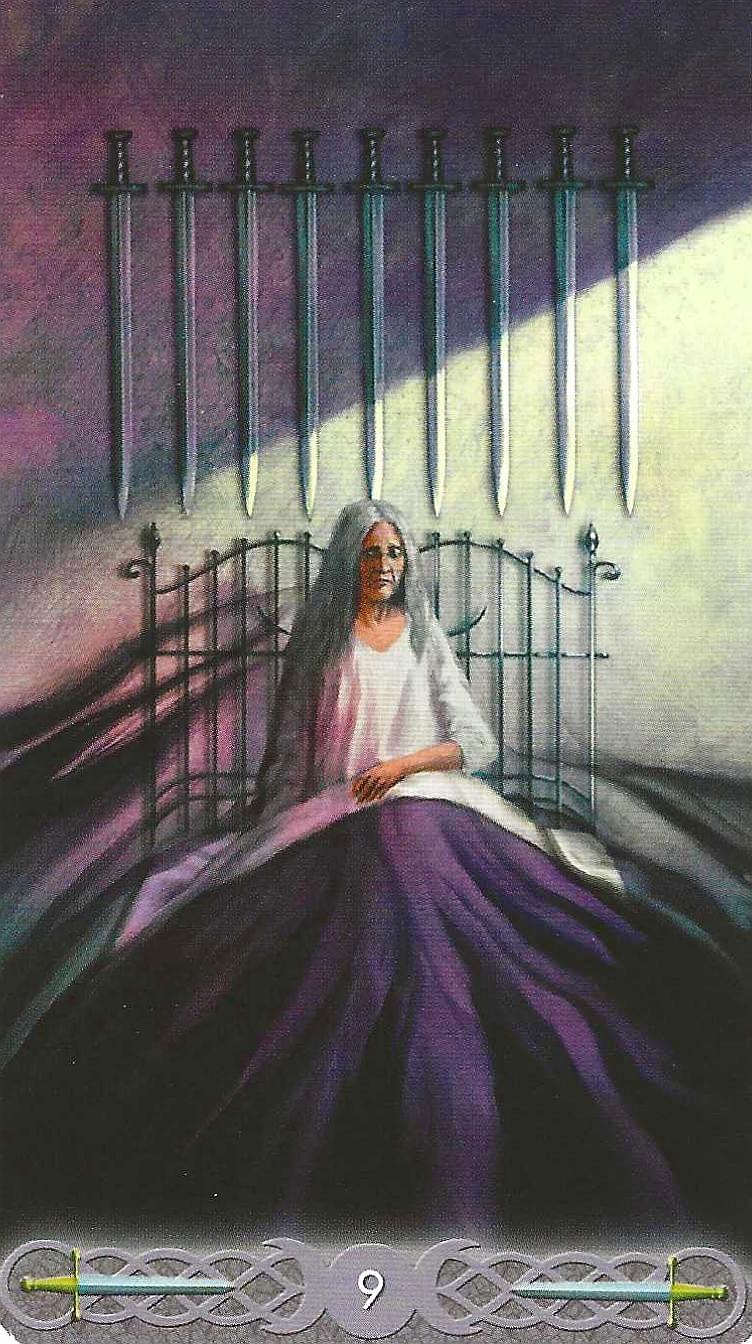
Both the Rider–Waite–Smith Nine of Swords and the Triple Goddess Tarot Nine of Swords portray the torment of the mind when imagination becomes ruled by fear. In the Rider–Waite–Smith image, a figure sits upright in bed, head buried in their hands as nine swords hang on the wall above. The dark chamber suggests a mind overwhelmed by anxious thought, guilt, or imagined catastrophe. The swords represent mental constructs—sharp ideas that pierce the psyche when allowed to repeat without examination.
The Triple Goddess Tarot Nine of Swords presents a similar psychological drama but through the symbolism of the Crone, the wise elder aspect of the Goddess. She sits upright in bed, her rest disturbed by troubling thoughts. Above her bed the nine swords are aligned like a rapid succession of mental assaults, symbolizing intrusive worries that refuse to release their grip upon the mind. Here the emphasis is not simply despair but the illusionary nature of fear itself. The Crone, as the archetype of wisdom born through experience, suggests that many of these fears dissolve once the mind refuses to feed them with emotional energy.
Thus the card advises discernment: know when to ignore the fears that keep you awake. The unknown “what-ifs” of imagination can easily become self-created nightmares when allowed to dominate consciousness. Yet illusions have no inherent power unless the mind sustains them.
In Hermetic philosophy, these disturbing mental images arise from the realm of Yesod, the lunar sphere of dreams and the Astral Light. Within this subtle field, thought combined with emotion becomes a formative force. When the imagination is filled with anxiety, the Astral Light reflects those fears back to the psyche, amplifying them into convincing inner visions.
The Rider–Waite–Smith card shows the suffering mind caught within its own thoughts, while the Triple Goddess Tarot adds the wisdom of the Crone, reminding us that fearful imagination is often only a phantom of the mind. Once awareness recognizes the illusion, the power of the nightmare dissolves.
Comparative Synthesis
Rider–Waite–Smith emphasizes the anguish produced by uncontrolled thought, while the Triple Goddess Tarot highlights the Crone’s wisdom—revealing that many fears are illusions that vanish once the mind refuses to nourish them.


This 9 of Swords card is assigned the planet Mars in the house of Gemini. In astrology, the position of Mars in a specific house can influence various aspects of an individual's life. When Mars is in the house of Gemini, it brings a dynamic and communicative energy to the person's personality which can go terribly wrong in a profaned persona. Here are some characteristics associated with Mars in the house of Gemini:
Energetic Communication: Mars in Gemini enhances verbal expression and communication skills. Individuals with this placement are often energetic speakers, quick thinkers, and may excel in debates or public speaking.
Intellectual Drive: There is a strong drive towards acquiring knowledge and information. These individuals may be intellectually curious, always seeking new ideas, and enjoy engaging in mentally stimulating activities.
Restlessness: Mars in Gemini can contribute to a restless and changeable nature. There may be a desire for variety and diversity, both in relationships and experiences. The person may get easily bored and seek constant mental stimulation.
Active Learning: Learning through practical experiences and hands-on activities is emphasized. Mars in Gemini individuals may thrive in environments that allow them to actively participate in the learning process.
Adaptability: These individuals are adaptable and flexible, able to quickly adjust to changing circumstances. They may enjoy challenges that require quick thinking and versatility.
Expressive Passion: Mars represents passion and drive, and in Gemini, this passion is expressed through words and ideas. The person may be passionate about sharing their thoughts, opinions, and beliefs with others.
Social Energy: Mars in Gemini individuals tend to be social and enjoy networking. They may be active in social circles, and their energy is often directed towards building connections and forming diverse relationships.
It's important to note that the overall interpretation of Mars in Gemini can vary depending on the entire birth chart, as well as other astrological factors and aspects. Individual experiences may differ, and these general characteristics provide a broad overview. It also helps to remember the personality is not you. It is your Psyche's creation.

In numerology, the number 9 is considered to hold powerful and distinct characteristics. It is often viewed as the number of completion and humanitarianism. Here are some key characteristics associated with the number 9 in numerology:
1. Humanitarianism and Compassion
- Altruism: Number 9 is strongly associated with a sense of duty and compassion towards others. Individuals with this number are often driven to help humanity and make the world a better place.
- Selflessness: They are known for their selfless nature, often putting the needs of others before their own.
2. Idealism and Vision
- Idealistic: People influenced by the number 9 are typically idealistic and visionary. They hold high ideals and strive to achieve lofty goals.
- Inspiration: They have the ability to inspire others with their vision and dedication to humanitarian causes.
3. Completion and Fulfillment
- End of a Cycle: Number 9 symbolizes the end of a cycle, bringing things to a completion before a new cycle begins. It represents the culmination of experiences and lessons learned.
- Fulfillment: There is a sense of fulfillment and understanding that comes with the number 9, indicating a deep wisdom gained through life experiences.
4. Creativity and Artistic Expression
- Creative: People with the number 9 are often highly creative and artistic. They express themselves through various forms of art, music, and writing.
- Innovative: Their creativity often leads to innovative ideas and solutions.
5. Leadership and Influence
- Natural Leaders: Those influenced by the number 9 often take on leadership roles, driven by their vision and desire to bring positive change.
- Influential: They have a strong presence and can influence others through their charisma and dedication to causes.
6. Emotional and Sensitive
- Deep Emotions: Number 9 individuals are deeply emotional and sensitive. They feel things intensely and are highly empathetic.
- Understanding: Their sensitivity allows them to understand and connect with others on a profound level.
7. Wisdom and Enlightenment
- Old Souls: People with the number 9 are often considered "old souls," possessing a deep wisdom and understanding of life's complexities.
- Spiritual Awareness: They have a heightened sense of spiritual awareness and are often drawn to exploring philosophical and metaphysical subjects.
8. Generosity and Philanthropy
- Generous: Number 9 individuals are known for their generosity and willingness to give to others, often engaging in philanthropic activities.
- Charitable: They are drawn to charitable work and causes that promote the well-being of humanity.
9. Challenges and Growth
- Letting Go: One of the challenges for number 9 individuals is learning to let go of the past and move forward. They may struggle with endings and the emotional aspects of closure.
- Balancing Self and Others: Finding a balance between their own needs and the needs of others can be a lifelong challenge for those with the number 9.
Overall, the number 9 in numerology is associated with a high level of compassion, creativity, and wisdom. It signifies a deep connection to humanity and a desire to contribute positively to the world.

In gematria which is Western Hermetic Qabalistic numerology, the number 9 carries several characteristics and symbolic meanings, rooted in Jewish mysticism, numerology, and biblical traditions. Here are some of the key characteristics and implications of the number 9 in gematria:
1. Completion and Finality
- Cycle of Completion: The number 9 is often associated with the end of a cycle or a phase, representing completeness and fulfillment. It is seen as the last single-digit number, symbolizing the culmination of processes and the attainment of goals.
- Ultimate Fulfillment: It indicates a state of reaching the fullest potential or the final stage before a new beginning, aligning with the concept of transition and transformation.
2. Truth and Wisdom
- Embodiment of Truth: The number 9 is linked with truth and enlightenment. In Hebrew, the word for truth (אמת, "Emet") has a numerical value that reduces to 9, symbolizing the ultimate and unchanging nature of truth.
- Pursuit of Wisdom: It is often associated with deep wisdom and the pursuit of higher knowledge, reflecting a journey towards understanding profound truths.
3. Divine Attributes
- Spiritual Significance: In Kabbalistic/Qabalistic thought, the number 9 corresponds to the sephirah Yesod on the Tree of Life. Yesod represents the foundation and the channel through which divine energy flows into the physical world, highlighting the number's spiritual importance.
- Connection to the Divine: Yesod serves as the intermediary between the higher and lower realms, symbolizing the flow of spiritual insights into material existence.
4. Humanitarianism and Generosity
- Service to Others: The number 9 is often associated with humanitarianism, altruism, and a strong sense of duty towards others. Individuals influenced by this number are driven to help and uplift humanity.
- Compassion and Empathy: It embodies qualities of compassion, empathy, and a desire to contribute positively to the world, reflecting a selfless nature.
5. Biblical and Mystical References
- Biblical Symbolism: There are several instances in the Bible where the number 9 holds significance, such as the nine fruits of the Spirit in the New Testament and the nine beatitudes in the Sermon on the Mount. These references underscore its spiritual and moral importance.
- Mystical Interpretation: In Jewish mysticism, the number 9 is seen as a powerful and mystical number, often representing the hidden and esoteric aspects of the divine.
6. Mathematical Properties
- Intrinsic Patterns: The number 9 exhibits unique mathematical properties. For example, any number multiplied by 9, when its digits are summed, results in 9. This property symbolizes the idea of completeness and the cyclical nature of life.
- Self-Reflecting Nature: This characteristic of consistently reducing to itself highlights the number's self-reflecting and unchanging nature.
7. Hebrew Letters and Words
- Teth (ט): The Hebrew letter Teth corresponds to the number 9. It symbolizes goodness, concealment, and potential, often associated with the duality of good and evil.
- Transformation and Potential: Teth also represents the concept of transformation and the hidden potential within every individual and situation.
8. Dual Nature
- Good and Evil: The number 9, represented by the letter Teth, is often associated with the duality of good and evil. It signifies the potential for both positive and negative outcomes, depending on how one channels their energies and actions.
- Moral Choice: This dual nature underscores the importance of moral choices and the potential for transformation and redemption.
In summary, the number 9 in gematria is imbued with rich symbolism and profound meanings, encompassing themes of completion, truth, wisdom, spiritual significance, humanitarianism, and the intrinsic duality of existence.
When the Rider–Waite–Smith Nine of Swords or the Triple Goddess Tarot Nine of Swords appears in a divination, it implies:
The querent may be engaging in mental self-cruelty, allowing negative thoughts to degrade their sense of identity both actively and passively, which can lead to depression.
They may be feeling sorrow or self-pity, dwelling excessively on perceived failures or injuries.
There may be a situation involving having been hurt or having hurt others, producing lingering regret or emotional unrest.
The querent may be experiencing a nightmare of rising fears and projected thoughts, born from self-doubt and uncontrolled imagination.
They may be confronting inner demons, facing grief, or learning to endure emotional storms through patience and self-reflection.
There is often a need to analyze one's thoughts clearly and pay attention to dreams, as night visions may offer guidance and reveal subconscious patterns.
The oppression felt is usually mental rather than external tragedy—a condition of anxiety, suspicion, or internal conflict created by the mind itself.
The card may also represent the power of separation, where painful realizations become the beginning of psychological renewal.
Restlessness and intense emotional sensitivity may be present.
At a higher level, the card encourages the querent to gain wisdom about the relationship between thought, emotion, and the physical body, recognizing how mental patterns shape lived experience.
If reversed or ill-dignified by surrounding cards, it implies:
Shame
Guilt
Terror
Infamy
Misery
Hatred
Insomnia
Persistent anxiety or mental torment
Hermetic Closing Insight
In the Western Hermetic Qabalah, the Nine of Swords reflects the distorted reflections of the mind within Yesod, the Lunar sphere of dreams and the Astral Light, where thoughts become living images before they manifest in form. When the imagination is ruled by fear, the Astral Light mirrors those fears back to the psyche; therefore the discipline of the mind—clear thought, self-knowledge, and conscious will—restores harmony and transforms the nightmare of illusion into the wisdom of awakened awareness.
Thank you for your interest, your thoughtful comments, subscriptions, and your generous support.
Your donations help keep this work alive and accessible to all sincere seekers.
May your generosity return to you in abundance. May you live long and prosper.
3 Western Hermetic Tarot and Magick websites helping people become more magick and less tragic since 2010.
Traditional Tarot Card Comparison Blogs and tarot layout store.
Home page, Tarot Store, Master Thoth Tarot Classes, and nontraditional Tarot Card comparisons blog.
Western Hermetic ritual, invocation and magick blogs.
